
| Day | Date | Time | Title |
|---|---|---|---|
| 1 | 2026-02-05 | 09:30 - 10:00 | Welcome and Introduction to Research Data Management |
| 1 | 2026-02-05 | 10:00 - 11:00 | Project & Data Organization |
| 1 | 2026-02-05 | 11:00 - 12:00 | Data Management Plans (DMPs) |
| 1 | 2026-02-05 | 12:00 - 13:00 | Lunch Break |
| 1 | 2026-02-05 | 13:00 - 14:00 | Command Line |
| 1 | 2026-02-05 | 14:00 - 15:00 | Best practices for rectangular data |
| 1 | 2026-02-05 | 15:00 - 16:30 | Brain Imaging Data Structure (BIDS) |
Summary & Outlook
Research Data Management for Psychology and Neuroscience
Course at University of Hamburg, RTG 2753: Emotional Learning and Memory
Slides | Source

16:00
How are you now?
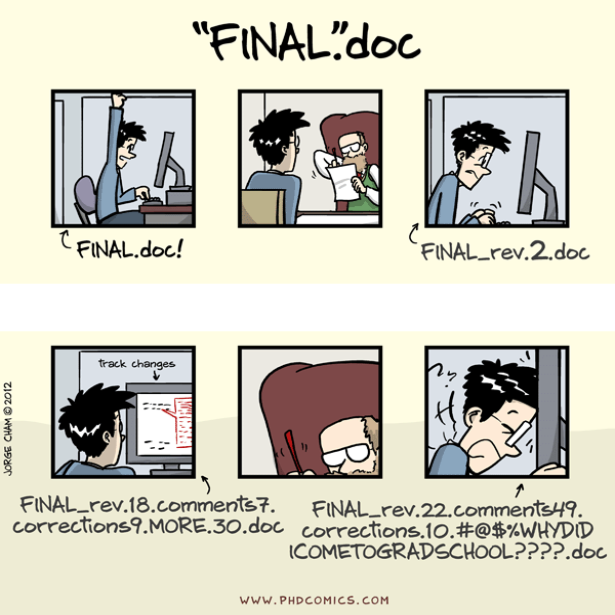
More challenges for reproducible scientific workflows
Version Control (with Git)
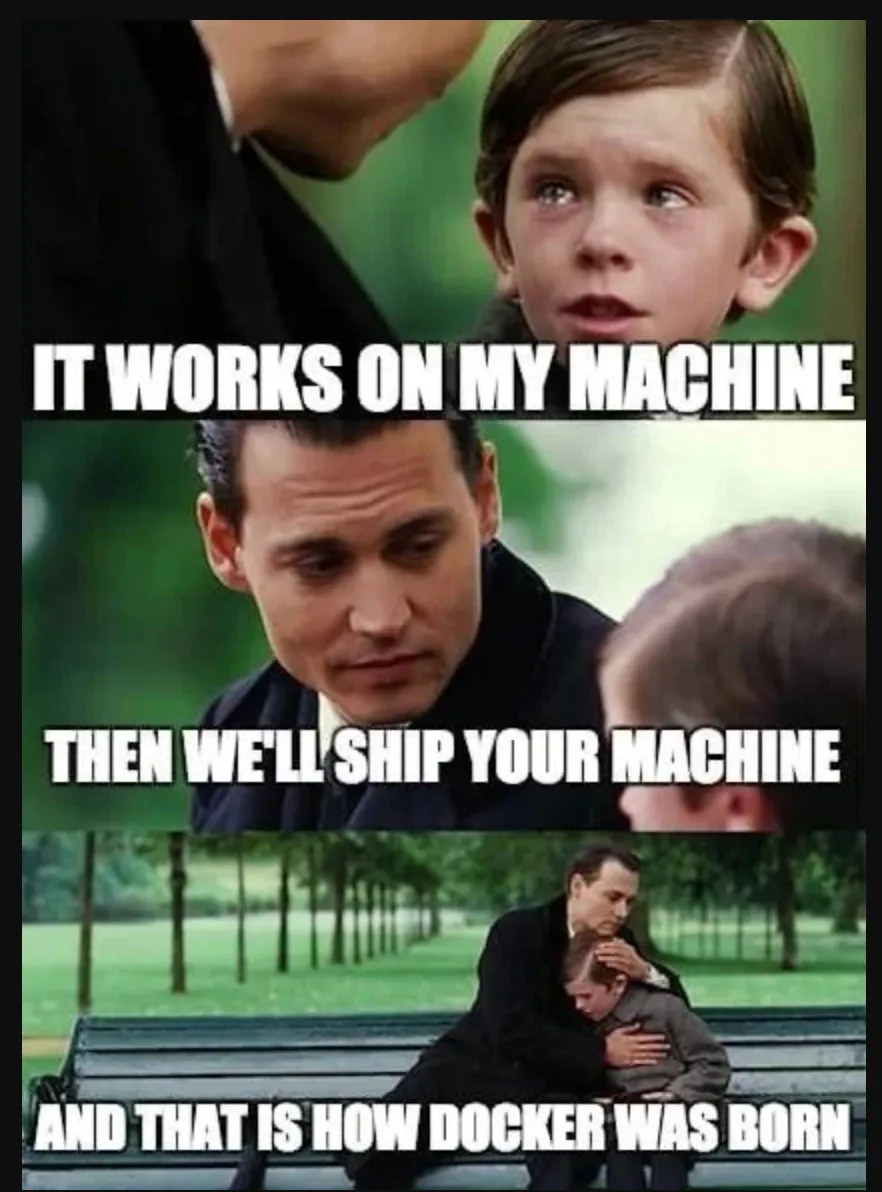
Computational Environments
Tags, releases, DOIs (with Git): Integration with Zenodo
“Zenodo, a CERN service, is an open dependable home for the long-tail of science, enabling researchers to share and preserve any research outputs in any size, any format and from any science.” – from the Zenodo GitHub README

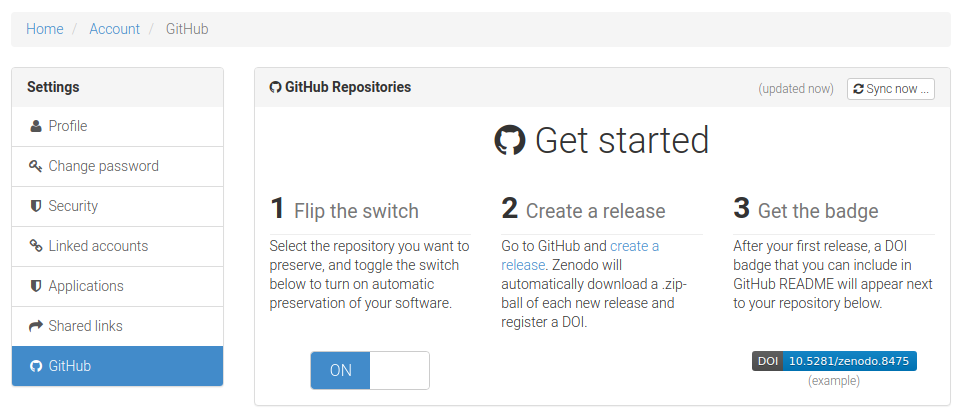
Integrate your repository on GitHub with Zenodo
“To make your repositories easier to reference in academic literature, you can create persistent identifiers, also known as Digital Object Identifiers (DOIs). You can use the data archiving tool Zenodo to archive a repository on GitHub.com and issue a DOI for the archive.” – Details in the GitHub documentation
- Navigate to the login page for Zenodo.
- Click Log in with GitHub.
- Review the information about access permissions, then click Authorize zenodo.
- Navigate to the Zenodo GitHub page.
- To the right of the name of the repository you want to archive, toggle the button to On.
See our book chapter on “Tags & Releases”.
Continuous Integration & Deployment (CI/CD)
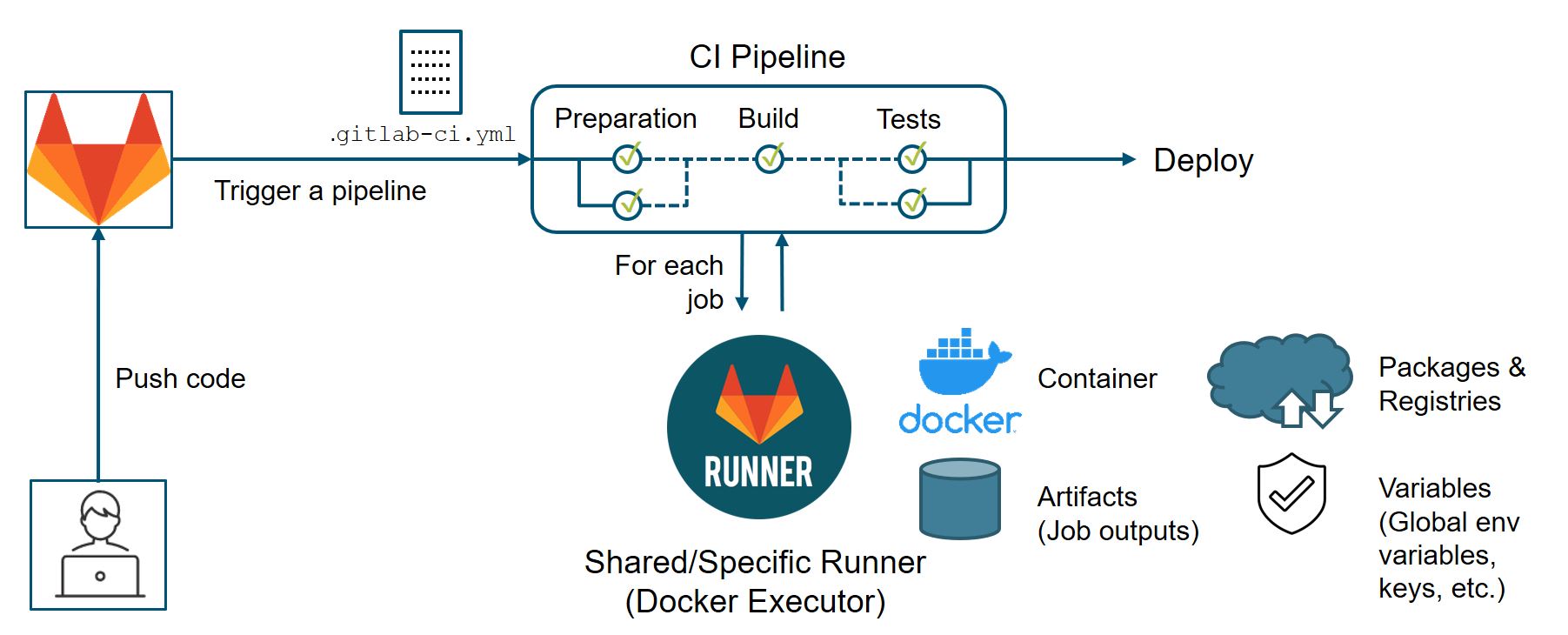
Example: Course repository
- Automated spell check
- Rebuilding of project website
Science as distributed open-source knowledge development 1
How can we do better science?
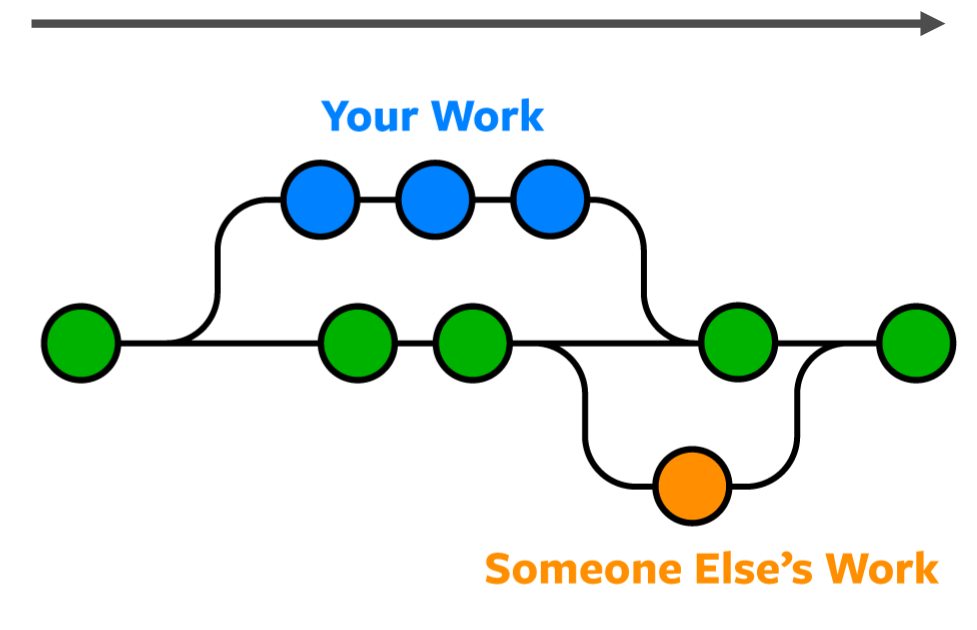
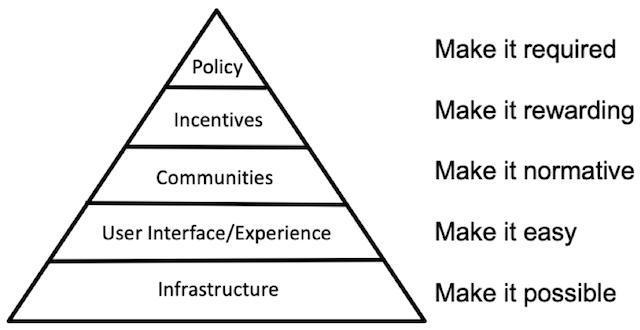
The long-term challenges are non-technical
- open-source, avoiding commercial vendor lock-in
- adopting new practices and upgrading workflows
- moving towards a “culture of reproducibility” 2
- changing incentives, policies & funding schemes
Technical solutions already exist!
- Version control of digital research outputs (e.g., Git, DataLad)
- Integration with flexible infrastructure (e.g., GitLab)
- Systematic contributions & review (e.g., pull/merge requests)
- Automated integration & deployment (e.g., CI/CD)
- Reproducible computational environments (e.g., Docker)
- Transparent execution and build systems (e.g., GNU Make)
- Project communication next to code & data (e.g., Issues)
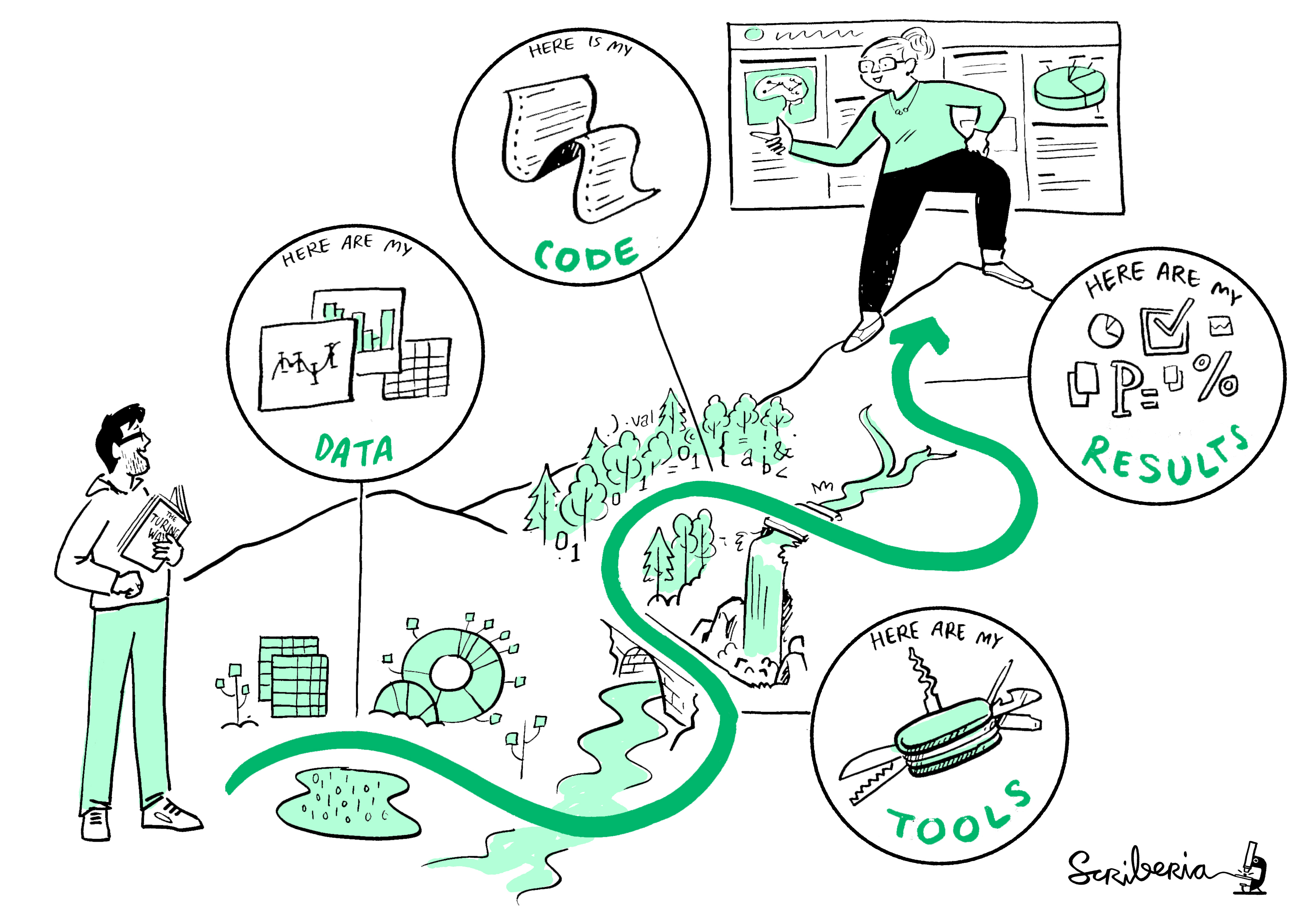
Reproducibility is a spectrum and a journey

Footnotes
inspired by Richard McElreath’s “Science as Amateur Software Development” (2023)
see “Towards a culture of computational reproducibility” by Russ Poldrack, Stanford University